
Cultural heritage is more than just monuments, artifacts, or traditions passed down through generations—it is the living identity of a people. It reflects who we are, where we come from, and how we understand the world around us. In an era defined by rapid globalization and technological advancement, the preservation of cultural heritage has become both more challenging and more essential. It serves as a bridge between the past and the future, grounding communities in their roots while offering valuable lessons for generations to come.
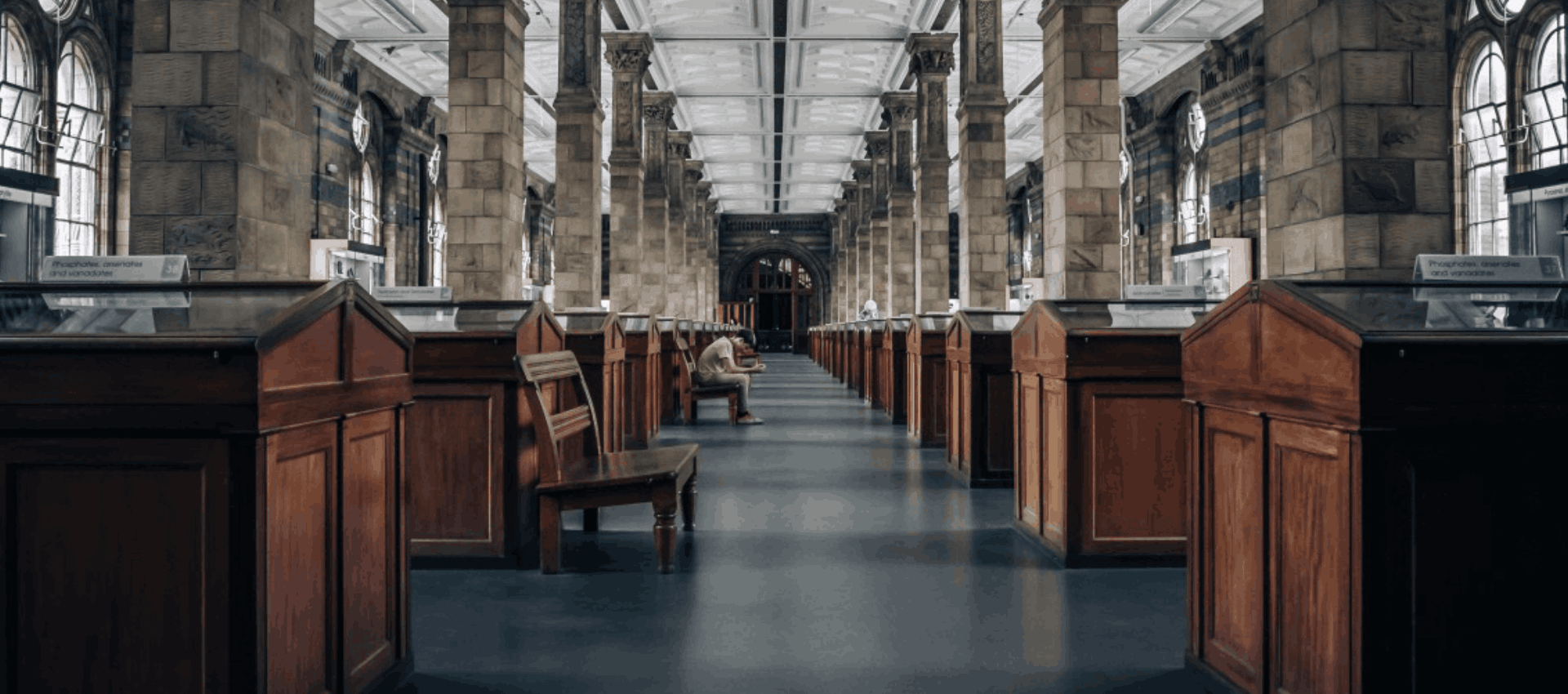
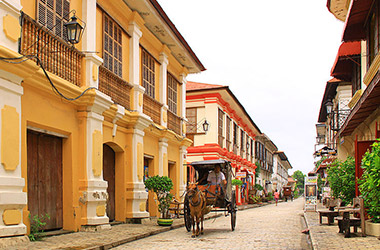
At its core, cultural heritage can be divided into two main categories: tangible and intangible. Tangible heritage includes physical objects such as historic buildings, artworks, tools, and landscapes. These are the visible markers of history—structures that have withstood time and events, carrying stories within their walls. Intangible heritage, on the other hand, encompasses traditions, languages, rituals, music, and crafts. These are often less visible but equally significant, as they represent the living expressions of culture.
One of the most compelling reasons to preserve cultural heritage is its role in shaping identity. For individuals and communities alike, heritage provides a sense of belonging and continuity. It connects people to their ancestors and offers a shared narrative that strengthens social cohesion. Without this connection, societies risk losing their unique character, becoming homogenized in a world that increasingly values uniformity over diversity.
Cultural heritage also plays a crucial role in education. It offers insights into historical events, societal evolution, and human creativity. By studying heritage, people can better understand different perspectives and appreciate the diversity of human experience. This fosters empathy and cross-cultural understanding, which are essential in today’s interconnected world. Heritage sites, museums, and cultural practices serve as open classrooms, teaching lessons that textbooks alone cannot convey.
Economically, cultural heritage can be a powerful driver of tourism and local development. Travelers are often drawn to destinations rich in history and tradition, seeking authentic experiences that allow them to connect with different cultures. This can create jobs, support local artisans, and generate revenue for communities. However, this economic potential must be managed carefully to avoid over-commercialization, which can undermine the very authenticity that makes cultural heritage valuable.
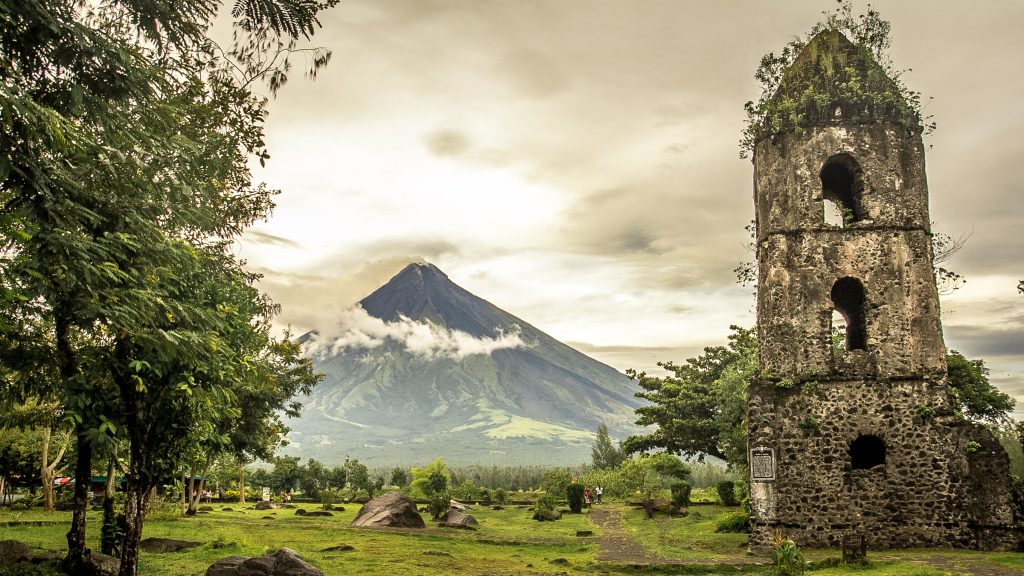
Despite its importance, cultural heritage faces numerous threats. Urbanization, climate change, conflict, and neglect all contribute to the deterioration of heritage sites and traditions. Rapid development can lead to the destruction of historic areas, while environmental factors such as rising sea levels and natural disasters pose significant risks to vulnerable sites. Additionally, globalization can sometimes lead to the erosion of local traditions, as dominant cultures overshadow smaller or less influential ones.
The loss of cultural heritage is not just a loss for a particular community—it is a loss for humanity as a whole. Each culture offers unique insights and contributions that enrich the global tapestry. When a language disappears or a tradition fades, we lose a piece of human knowledge and creativity that cannot be replaced.
Efforts to preserve cultural heritage must therefore be multifaceted and inclusive. Governments, organizations, and communities all have a role to play. Legal protections, funding for conservation projects, and educational initiatives are essential components of preservation. At the same time, local communities must be actively involved, as they are the true custodians of their heritage. Their knowledge, values, and participation are crucial in ensuring that preservation efforts are meaningful and sustainable.
Technology has emerged as a valuable tool in this endeavor. Digital archiving, 3D modeling, and virtual reality allow for the documentation and sharing of cultural heritage in ways that were not possible before. These innovations can help preserve endangered sites and traditions, making them accessible to a wider audience. However, technology should complement, not replace, the lived experience of cultural heritage.
Another important aspect of cultural heritage preservation is adaptability. Cultures are not static—they evolve over time. Preservation does not mean freezing traditions in the past but allowing them to grow and adapt while maintaining their core values. This balance between continuity and change is essential in keeping cultural heritage relevant in a modern context.
Education and awareness are also key. When people understand the value of cultural heritage, they are more likely to protect and celebrate it. Schools, media, and community programs can play a significant role in fostering this appreciation. By engaging younger generations, we ensure that heritage is not only preserved but also carried forward with pride and understanding.
In conclusion, cultural heritage is a vital part of human existence. It connects us to our past, enriches our present, and guides our future. Preserving it requires collective effort, thoughtful strategies, and a deep respect for diversity. As we navigate the complexities of the modern world, cultural heritage reminds us of our shared humanity and the importance of honoring the stories that have shaped us. By protecting and celebrating our heritage, we not only safeguard history but also inspire future generations to build a more inclusive and culturally rich world.

Leave a Reply