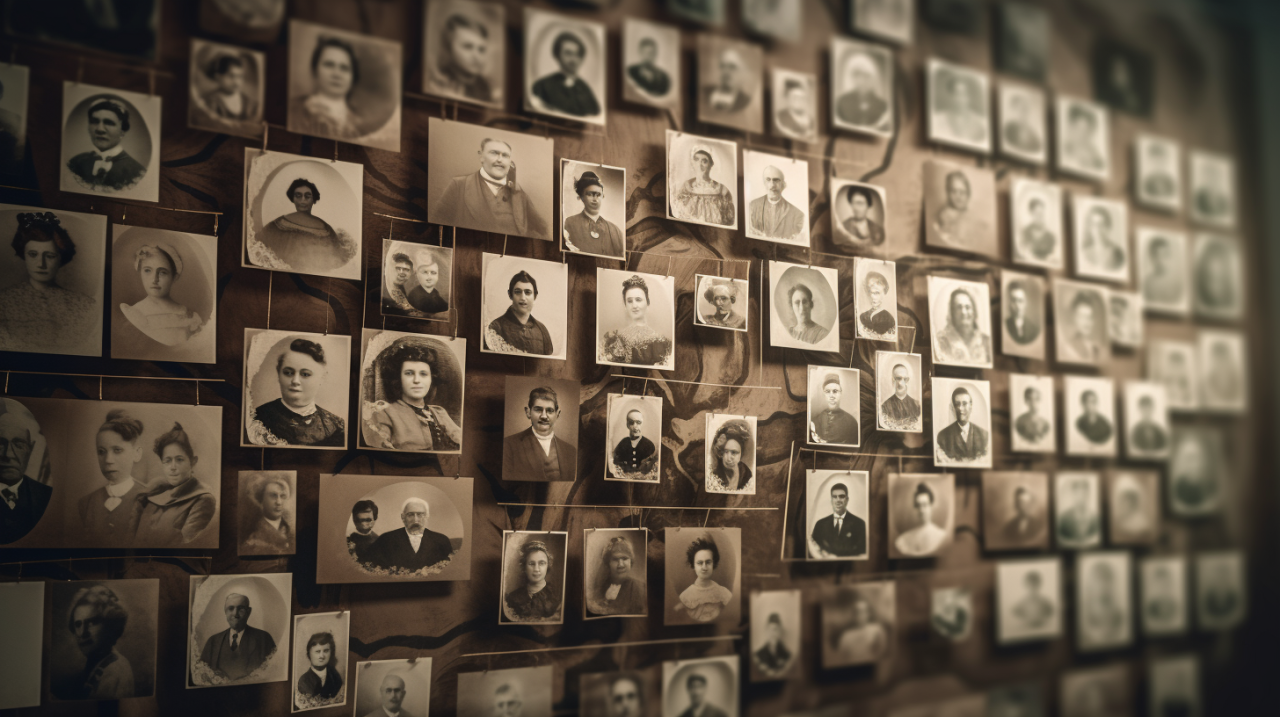
Genealogy, the study of family history and lineage, is more than just tracing names on a family tree. It is a journey into the past that helps us understand identity, culture, and the forces that shaped our lives today. In a world that moves quickly and constantly looks forward, genealogy offers something rare—the opportunity to look back and rediscover the people, stories, and events that built our present.
For many, genealogy begins with a simple question: “Where do I come from?” But the answers often lead to unexpected discoveries—stories of migration, resilience, love, loss, and transformation. Each name uncovered represents a life lived, and each record tells a fragment of a much larger human story.
The Meaning Behind Family History
At its core, genealogy is about connection. It connects individuals to their ancestors, families to their heritage, and communities to their shared past. Understanding one’s family history can provide a sense of belonging and continuity, especially in times of change or uncertainty.
For example, learning about ancestors who overcame hardship can inspire strength and resilience. Discovering cultural roots can deepen appreciation for traditions, language, and customs. Even simple details—like where great-grandparents lived or what they did for a living—can make history feel more personal and meaningful.
Genealogy also reminds us that history is not just found in textbooks. It exists in everyday lives, preserved through records, stories, and memories passed down through generations.
From Paper Records to Digital Discoveries
In the past, genealogical research required patience, travel, and access to physical archives. Researchers spent hours sifting through handwritten documents such as birth certificates, census records, church registries, and immigration papers. These records were often scattered across different locations, making the process time-consuming and sometimes frustrating.
Today, the digital revolution has transformed genealogy. Millions of records have been digitized and made accessible online, allowing people to research their ancestry from the comfort of their homes. This shift has made genealogy more inclusive, opening the door for beginners and experienced researchers alike.
Online platforms, databases, and digital archives now allow users to:
- Search historical records instantly
- Build and share family trees
- Connect with distant relatives
- Access global data that was once difficult to obtain
This accessibility has fueled a surge in interest in genealogy, turning it into one of the fastest-growing hobbies worldwide.
The Role of DNA Testing
One of the most significant developments in modern genealogy is the rise of DNA testing. With a simple sample, individuals can gain insights into their ethnic background and discover genetic connections to others around the world.
DNA testing has added a scientific dimension to genealogy, complementing traditional research methods. It can confirm family relationships, reveal unknown branches of a family tree, and even uncover long-lost relatives.
However, DNA results are only one part of the story. They provide clues, not complete answers. Combining genetic data with historical records creates a more accurate and meaningful picture of family history.
Challenges in Genealogical Research
Despite its many advantages, genealogy is not without challenges. One of the biggest obstacles is incomplete or inaccurate records. Historical documents may contain errors, missing information, or inconsistencies that make research difficult.
Name changes, language differences, and migration patterns can also complicate the process. For example, a family surname may have been altered over time due to translation or cultural adaptation.
Another challenge is access. While many records are available online, some remain restricted due to legal, financial, or institutional barriers. This can limit the ability of individuals to fully explore their ancestry.
Additionally, genealogy requires critical thinking. Not every record or family tree found online is accurate. Researchers must verify information, cross-check sources, and approach their findings with a careful and analytical mindset.
The Importance of Preserving Stories
Genealogy is not just about collecting data—it is about preserving stories. Facts and dates provide structure, but stories bring family history to life. Personal anecdotes, letters, photographs, and oral traditions add depth and emotion to genealogical research.
Unfortunately, many stories are lost over time as older generations pass away. This makes it important to document and preserve family memories while they are still accessible.
Simple actions can make a big difference:
- Interviewing older relatives
- Recording family traditions
- Saving photographs and documents
- Writing down personal histories
By preserving these stories, we ensure that future generations can connect with their past in a meaningful way.
Genealogy as a Shared Experience
Although genealogy often begins as a personal pursuit, it quickly becomes a shared experience. Families collaborate to piece together their history, and communities come together to preserve collective heritage.
Genealogy also fosters global connections. It is not uncommon for individuals to discover relatives living in different countries, leading to new relationships and cultural exchanges.
This sense of shared discovery highlights an important truth: genealogy is not just about the past—it is also about building connections in the present.
Looking Ahead: The Future of Genealogy
As technology continues to evolve, the future of genealogy looks promising. Advances in artificial intelligence, data analysis, and digital preservation are making it easier to uncover and interpret historical information.
At the same time, there is a growing emphasis on accessibility and ethical research practices. Ensuring that genealogical data remains open and responsibly managed will be key to the continued growth of the field.
Genealogy will likely become even more interactive and collaborative, with new tools enabling people to explore their ancestry in innovative ways.
Conclusion
Genealogy is a powerful tool for understanding who we are and where we come from. It transforms history from abstract events into personal stories, connecting us to the lives of those who came before us.
Whether you are just beginning your journey or have been researching for years, genealogy offers endless opportunities for discovery. Each record found, each story uncovered, adds another piece to the puzzle of human history.
In the end, genealogy is not just about the past—it is about identity, connection, and legacy. By exploring and preserving our family histories, we ensure that the stories of our ancestors continue to live on, shaping the generations yet to come.

Leave a Reply