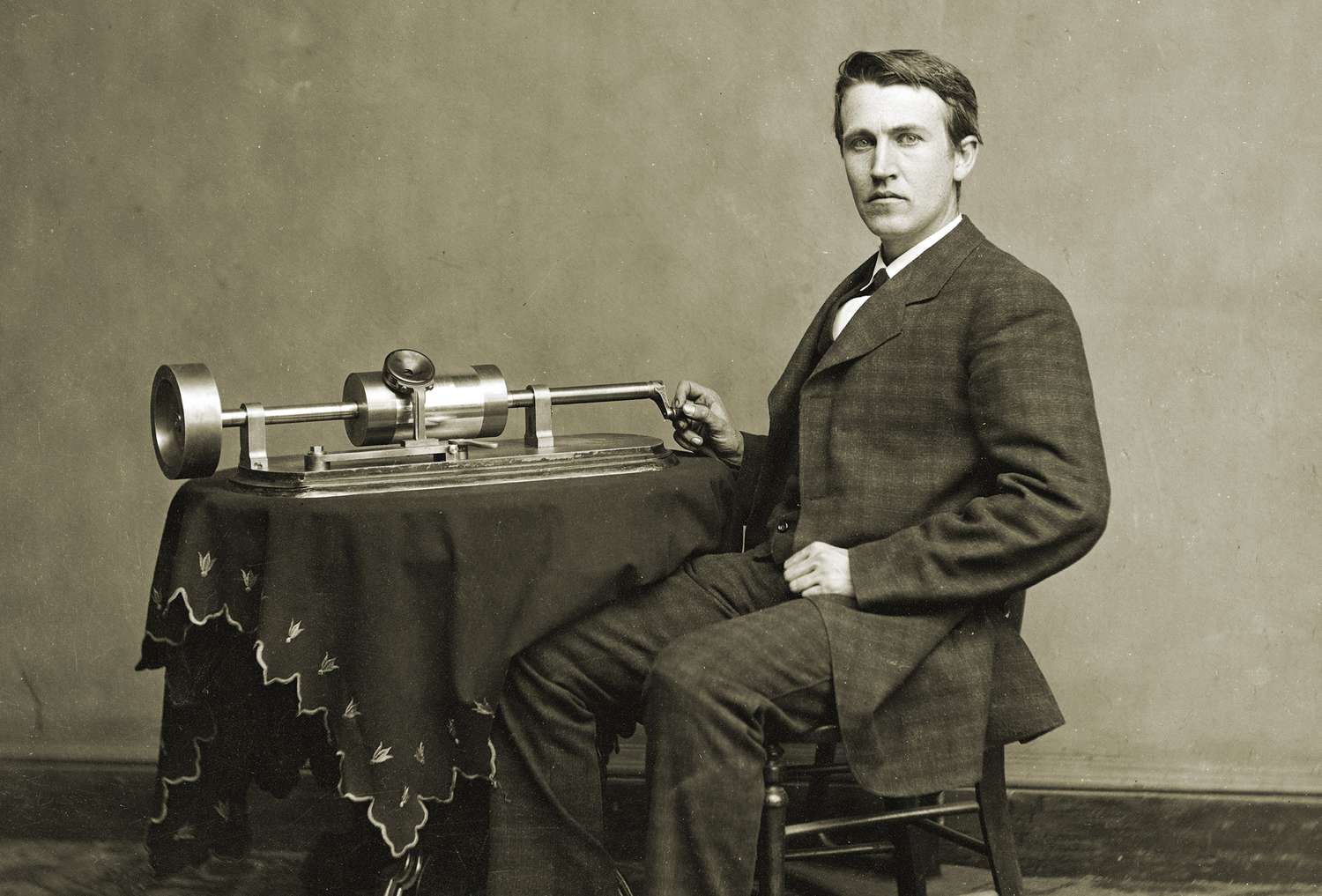
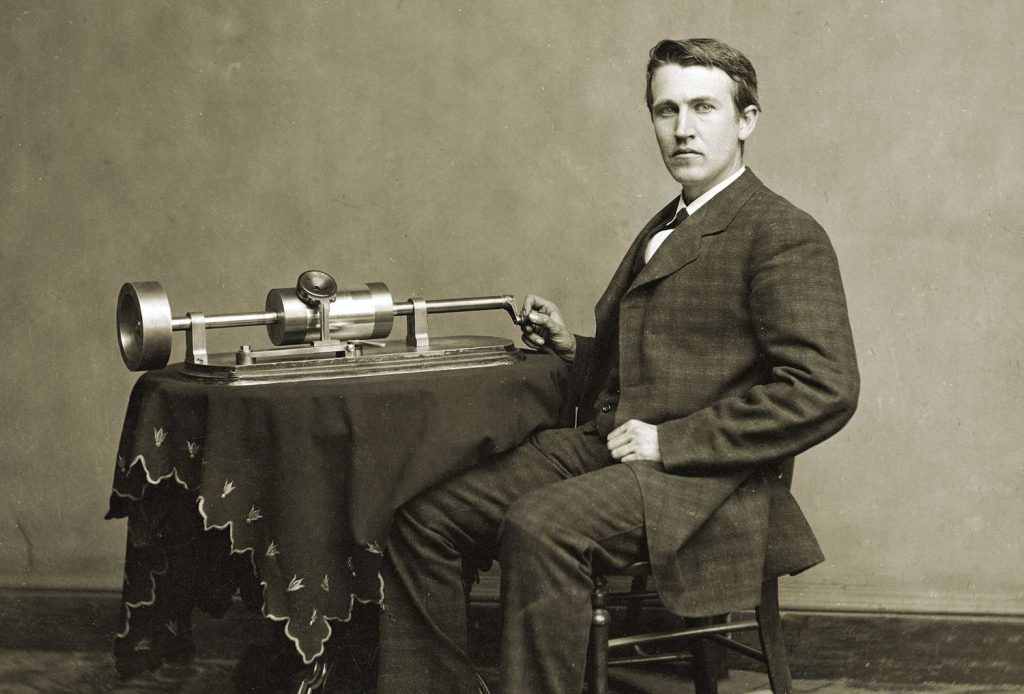
She found it while going through an old hard drive, one of many digital fragments left behind after years of saving photos, documents, and random recordings. The file was large, slightly corrupted, and dated over a decade ago.
Curiosity made her click.
At first, there was only static.
Then, a voice.
It was her grandfather—older, slower, but unmistakable.
He was telling a story.
Amira froze.
She had heard stories from him growing up, but never like this. This wasn’t casual conversation—it was deliberate. Structured. As if he knew he was documenting something important.
He spoke about his childhood village.
About walking miles to school.
About traditions that no longer existed.
About names—ancestors, relatives, neighbors—people Amira had never heard of.
The recording lasted nearly an hour.
When it ended, Amira sat in silence.
She realized she had just listened to something rare: an oral history that had never been written down.
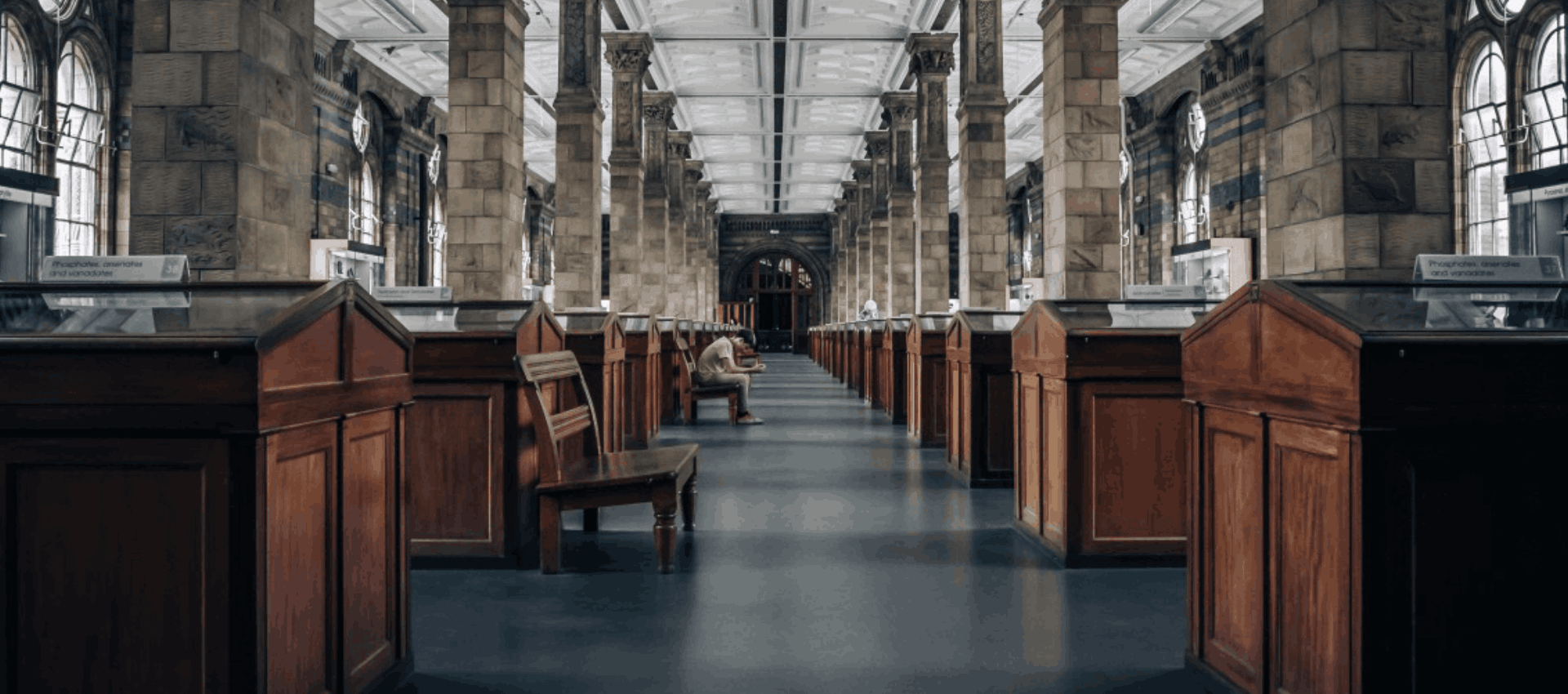
In genealogy, records often focus on official documents—birth certificates, census data, marriage records. Libraries and archives around the world hold vast collections of these materials, preserving centuries of family information for research and discovery.
But stories like this?
They exist in a different space.
They are fragile.
They depend on memory.
And once lost, they are almost impossible to recover.
Amira decided to transcribe the recording.
It wasn’t easy. Some parts were unclear. Others contradicted what she thought she knew about her family. But she wrote everything down—every name, every place, every detail.
Then she started verifying.
She cross-referenced names with historical records. She searched for the village her grandfather described. She even reached out to older relatives, asking if they recognized any of the stories.
Slowly, patterns emerged.
The village was real—but it had been renamed.
Some of the traditions he described matched cultural practices from that region decades ago.
Even the names—once unfamiliar—began appearing in old documents.
Amira realized that the recording wasn’t just a memory.
It was a bridge.
It connected personal experience with historical evidence.
As she continued her research, she began to understand something deeper: genealogy isn’t only about data—it’s about context. Names and dates provide structure, but stories provide meaning.
Inspired, she started recording her own family members.
Conversations with her parents.
Memories from her aunts.
Even her own reflections.
She didn’t want the next generation to rely on fragments.
She wanted them to have voices.
Months later, Amira published a small collection of these stories on a family website. It wasn’t perfect. Some details were incomplete. Others remained uncertain.
But it was alive.
And that mattered more.
Because in the end, family history isn’t just something we inherit.
It’s something we choose to preserve.
Leave a Reply