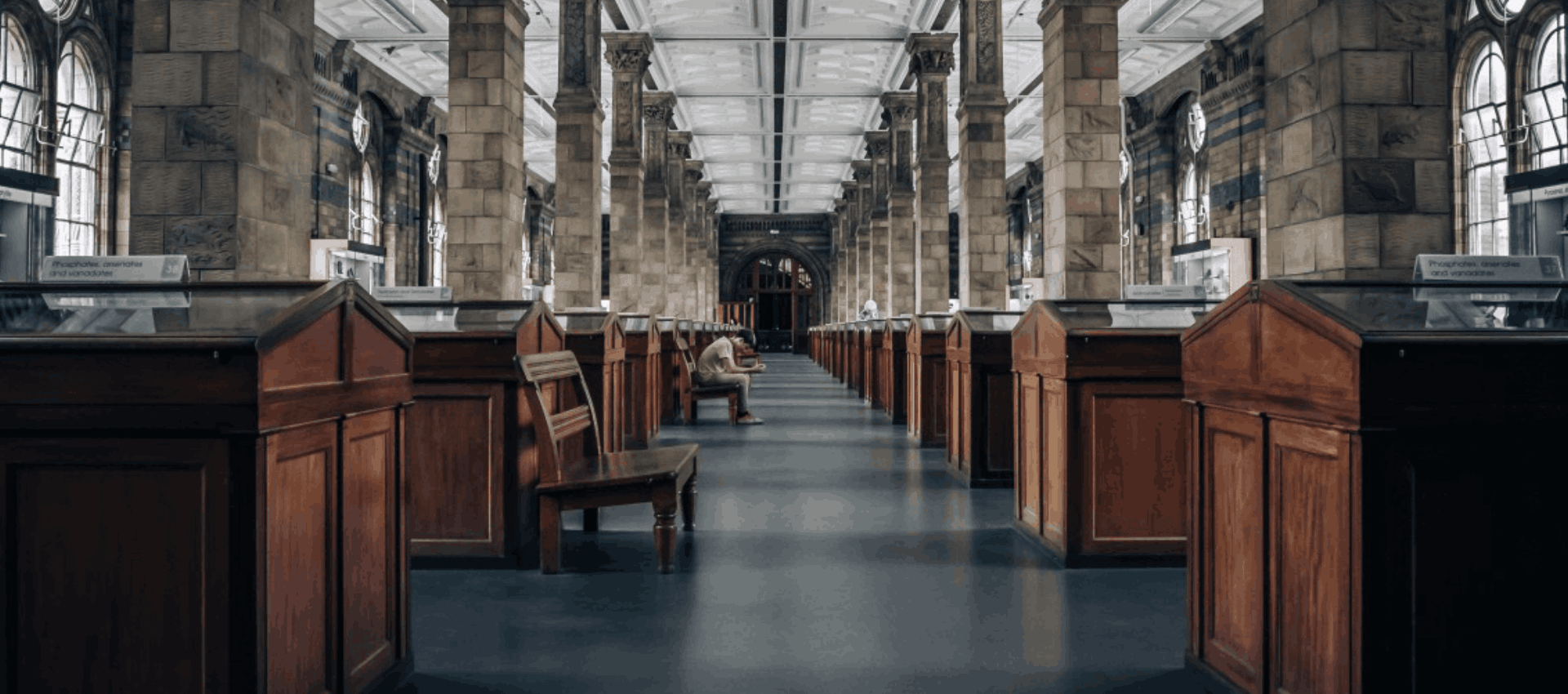
When people hear the word “heritage,” they often think of ancient ruins, historical landmarks, or artifacts displayed behind glass in museums. While these are important parts of heritage, they represent only a small piece of a much larger picture. Heritage is not something distant or frozen in time—it lives in our daily routines, our celebrations, our food, and even the way we speak.
In reality, heritage is woven into the fabric of everyday life. It is present in the meals families prepare, the stories grandparents tell, and the traditions that mark important milestones. These small, often overlooked details are powerful reminders of where we come from and how our identities are shaped over time.
The Living Nature of Heritage
Heritage is not static; it evolves with each generation. While some traditions remain unchanged, others adapt to modern lifestyles and new environments. This flexibility is what keeps heritage alive.
For example, a traditional recipe passed down through generations may be adjusted based on available ingredients or personal preferences. A cultural celebration may incorporate modern elements while still preserving its original meaning. These changes do not weaken heritage—they strengthen it by allowing it to remain relevant.
In this way, heritage becomes a living, breathing part of life rather than something confined to history books.
Food as a Cultural Memory
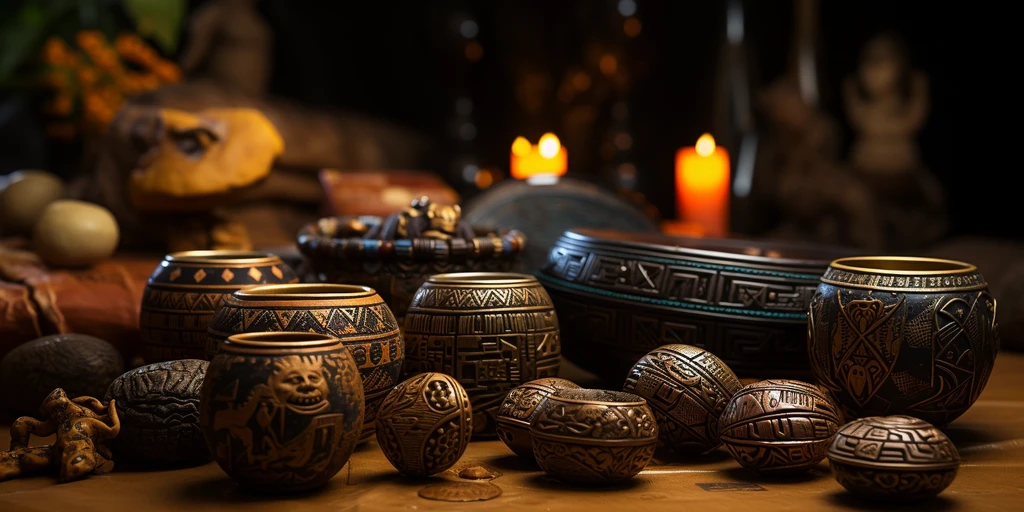
One of the most powerful expressions of heritage is food. Recipes often carry stories that go beyond ingredients and cooking methods. They reflect migration, adaptation, and cultural exchange.
A simple dish can tell the story of a family’s journey—how ancestors moved from one place to another, bringing their culinary traditions with them and adapting to new surroundings. The flavors, techniques, and even the way food is shared can reveal deep cultural values.
Family gatherings centered around food are also moments where heritage is reinforced. Cooking together, sharing meals, and passing down recipes create a sense of continuity. These experiences connect generations and ensure that traditions are not forgotten.
Language and Storytelling
Language is another essential part of heritage. It carries not only communication but also culture, history, and identity. Words, expressions, and even accents can reflect a person’s background and experiences.
Storytelling, in particular, plays a crucial role in preserving heritage. Before written records became widespread, stories were the primary way people passed down knowledge and history. These stories often included lessons, values, and cultural beliefs.
Today, storytelling continues to be important. Whether through casual conversations, written memoirs, or digital platforms, sharing stories helps keep heritage alive. It allows younger generations to understand their roots and learn from the experiences of those who came before them.
Celebrations and Traditions
Festivals, holidays, and family traditions are some of the most visible expressions of heritage. These events often bring people together, creating a sense of community and shared identity.
Celebrations may include specific rituals, clothing, music, and food that reflect cultural values and historical influences. Even small family traditions—such as how birthdays are celebrated or how holidays are observed—contribute to a sense of belonging.
These traditions provide stability and continuity, especially in a rapidly changing world. They offer moments to pause, reflect, and reconnect with what matters most.
Heritage in Modern Society
In today’s fast-paced, technology-driven world, maintaining a connection to heritage can be challenging. People move frequently, cultures blend, and traditional practices may feel less relevant to younger generations.
However, modern society also offers new ways to preserve and celebrate heritage. Social media, digital archives, and online communities make it easier than ever to document and share cultural practices.
Young people are finding creative ways to engage with heritage—through art, music, fashion, and storytelling. By blending tradition with innovation, they are redefining what heritage means in a contemporary context.
This demonstrates that heritage is not about resisting change but about adapting while maintaining a connection to the past.
The Personal Side of Heritage
Heritage is deeply personal. While it connects people to larger cultural groups, it also shapes individual identity. Each person experiences heritage in their own way, influenced by family, environment, and personal choices.
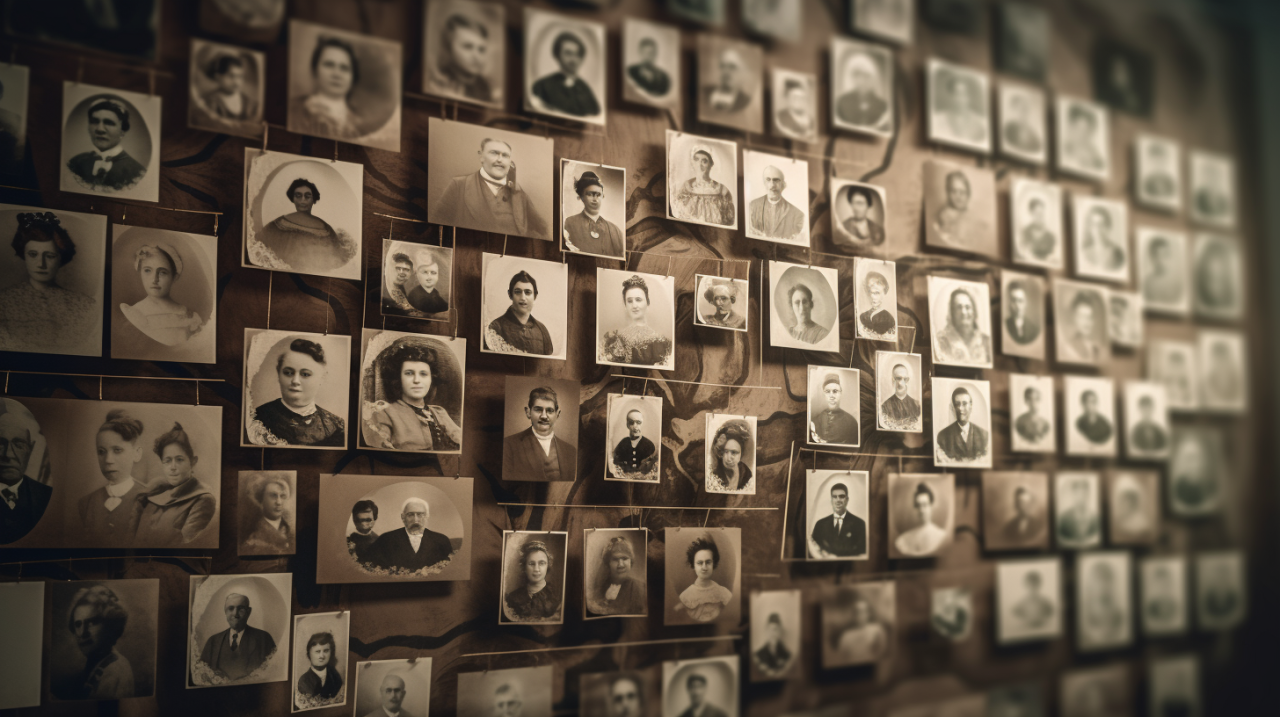
For some, exploring heritage involves tracing family history or learning about ancestral traditions. For others, it may be as simple as continuing a family custom or preserving a meaningful object.
These personal connections give heritage its emotional significance. They turn abstract concepts into lived experiences, making heritage something that is felt, not just understood.
Challenges in Preserving Everyday Heritage
Despite its importance, everyday heritage is often at risk of being lost. Busy lifestyles, generational gaps, and lack of documentation can lead to traditions fading over time.
In some cases, younger generations may feel disconnected from their heritage, especially if it is not actively shared or explained. Without effort, valuable knowledge and practices can disappear.
Another challenge is the tendency to overlook everyday heritage in favor of more visible or “official” forms of culture. While monuments and historical sites are important, the smaller, personal aspects of heritage are equally valuable.
Recognizing and valuing these everyday practices is essential for preserving a complete and authentic cultural identity.
Keeping Heritage Alive
Preserving heritage does not require grand actions. Small, consistent efforts can have a lasting impact. Some ways to keep heritage alive include:
- Learning and practicing traditional skills
- Recording family stories and histories
- Teaching cultural values and customs to younger generations
- Participating in community events and traditions
These actions help ensure that heritage continues to be passed down and appreciated.
Conclusion
Heritage is not just something we inherit—it is something we live. It exists in the choices we make, the traditions we follow, and the stories we share. It shapes our identities and connects us to something greater than ourselves.
By recognizing heritage in everyday life, we can develop a deeper appreciation for its value. We can see that it is not limited to the past but is an ongoing process that evolves with each generation.
In preserving heritage, we are not simply holding onto old traditions—we are creating a bridge between the past, present, and future. Through this connection, we ensure that the richness of human experience continues to inspire and guide us for years to come.
Leave a Reply