The house no longer stood, but everyone in the family still spoke of it as if it did.
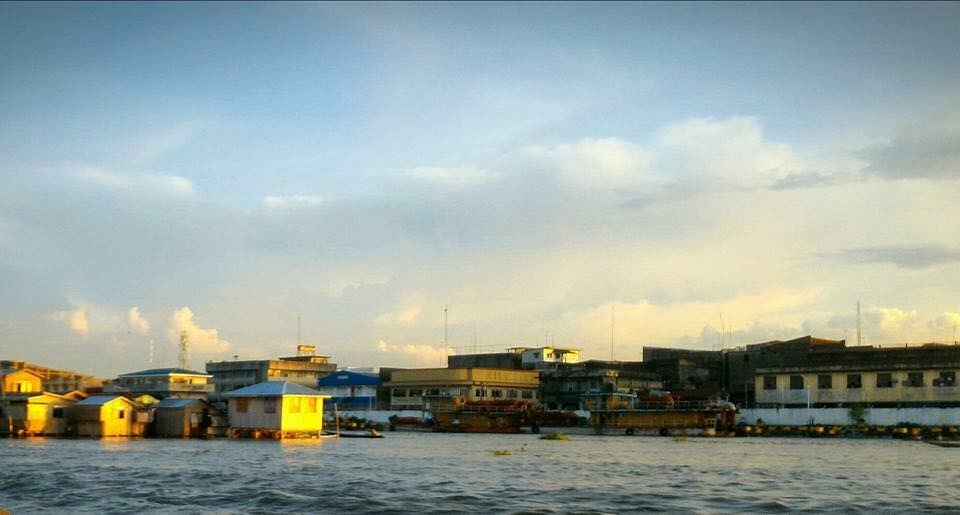
They called it the river house—a wooden structure built on stilts, overlooking a slow-moving stretch of water somewhere in Cotabato. For generations, it had been the center of family life. It was where children were born, where elders told stories under dim lamps, and where the sound of laughter carried across the water at night.
For Liza, it existed only in stories.
She had grown up in the city, far removed from that quiet life. Her parents rarely spoke about the past in detail—only fragments here and there. A flood. A relocation. A decision to leave.
It wasn’t until her grandmother passed that Liza felt the pull to understand more.
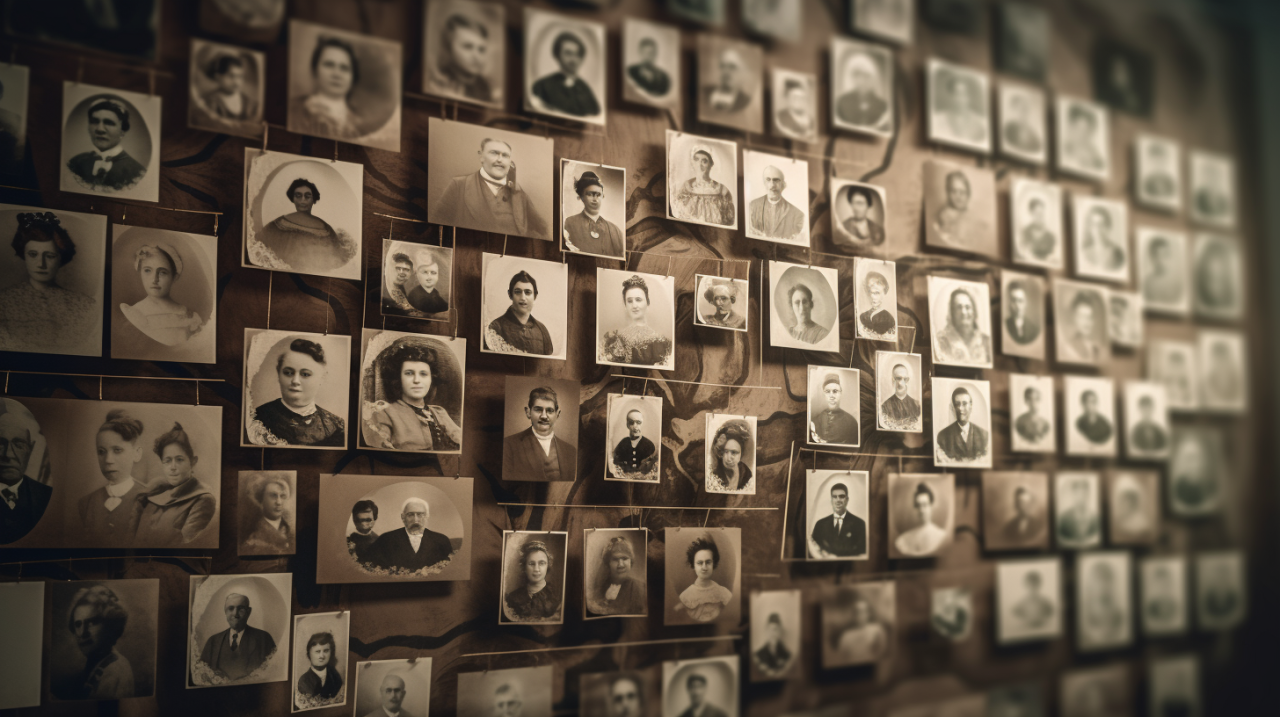
While sorting through old belongings, she found a bundle of photographs wrapped in cloth. The images were worn but powerful—children standing barefoot near the riverbank, a woman cooking over an open fire, a group gathered beneath the house during what looked like a celebration.
On the back of one photo, in faded ink, were the words:
“Bahay sa ilog – 1962.”
The house by the river.
That was all it took.
Liza began asking questions.
Her aunt told her about the floods—how the river, once calm and generous, had grown unpredictable over the years. Entire seasons of rain would swell its waters, swallowing land and homes. Eventually, the family had no choice but to move.
But the move wasn’t just physical.
It marked a shift in identity.
“In the city,” her aunt said, “we learned to live differently. But we also forgot things.”
Forgot how to fish at dawn.
Forgot the songs sung during harvest.
Forgot the stories tied to that place.
Determined to reconnect, Liza traveled to Cotabato City, following vague directions passed down through relatives. The river was still there, though narrower in some parts and wider in others. The land had changed. New houses stood where old ones once did.
But something felt familiar.
She spoke with locals, many of whom remembered her family name. An elderly man pointed to a spot along the riverbank.
“May bahay diyan dati,” he said.
(There used to be a house there.)
Standing in that place, Liza tried to imagine it—the stilts, the wooden floors, the sound of water beneath.
It wasn’t just about the house.
It was about everything that had happened there.
That night, she stayed with a distant relative who still lived nearby. Over dinner, they shared stories—some she had heard before, others completely new. Stories of resilience during floods, of community gatherings, of neighbors helping rebuild after storms.
For the first time, the past didn’t feel distant.
It felt lived.
Before leaving, Liza collected small things—photos, names, even recipes. But more importantly, she recorded conversations. She didn’t want these stories to fade again.
Back in the city, she started building a family archive.
Photos were scanned.
Stories were written.
Names were mapped into a growing family tree.
But she didn’t stop there.
She created a digital space where relatives—both near and far—could contribute. Slowly, others began adding their own memories. A cousin shared a video of a traditional dance. An uncle uploaded an old recording of songs sung by the river.
The house by the river was gone.
But its story wasn’t.
Liza realized something profound: heritage isn’t tied to a physical place. It lives in memory, in storytelling, in the effort to remember.
And sometimes, all it takes is one person to begin.
Leave a Reply